Table of contents
Latest articles
Best Digital Address Services in Europe (2026)
Posted on August 18, 2026
What is a virtual address and how does it work
Posted on August 18, 2026
Is a Digital Address Secure? Our ISO Certification, Explained
Posted on August 17, 2026
EU Digital Services Act
Posted on July 13, 2026

PO Box Alternatives in Dubai for Expats (2026)
Posted on March 3, 2026
Best Ways to Receive Mail in Spain as a Non-Resident
Posted on February 27, 2026

Best Virtual Mailbox for Digital Nomads (2026)
Posted on February 25, 2026
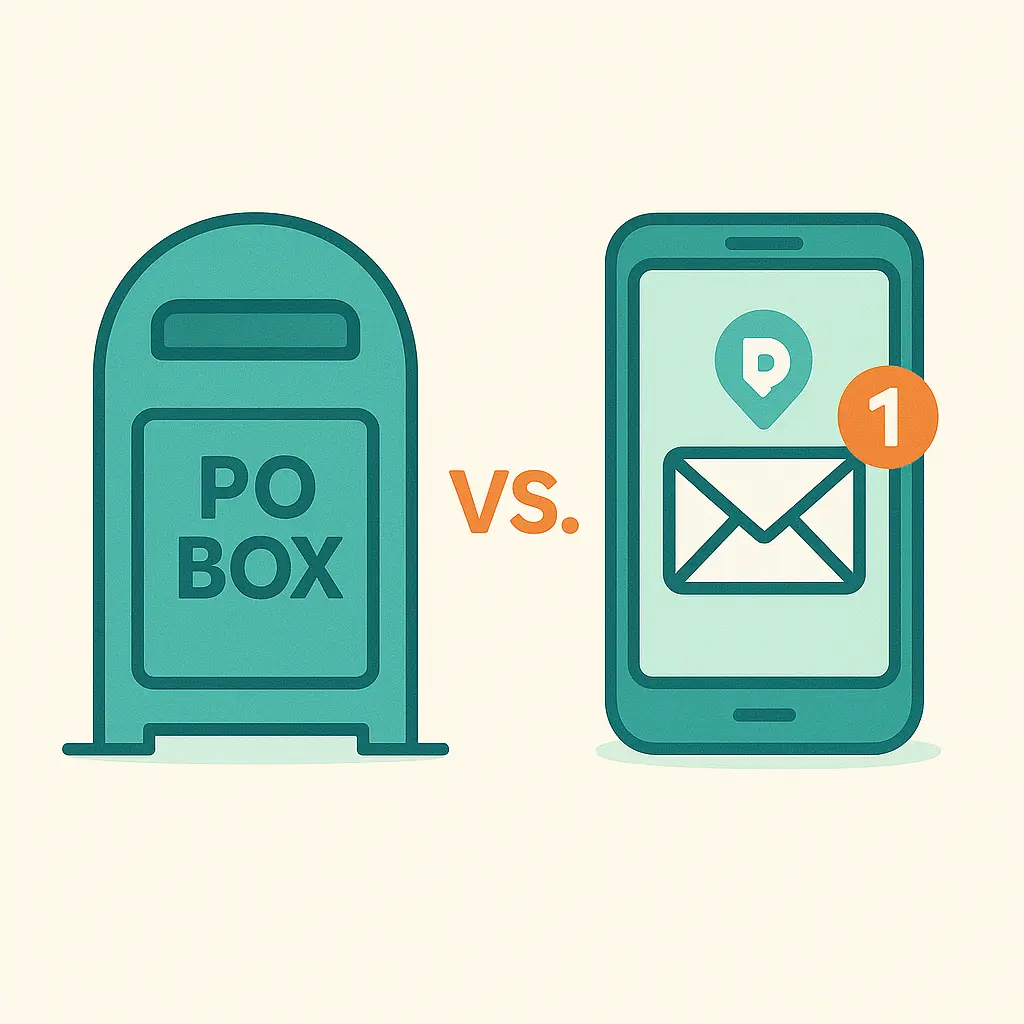
The best PO Box alternative
Posted on January 22, 2026

Apply for a postal address: fast, secure and 100% online
Posted on January 22, 2026
What is a PO Box?
Posted on December 22, 2025
But what exactly is a postal address? And how does it differ from your home address or legal address?
Let’s break it down.
Definition: What is a postal address?
A postal address, also called a mailing address or correspondence address, is the location where you can receive mail and official correspondence.
This can be:
- Your home address
- Your work address
- A rented mailbox or PO Box
- Or a digital postal address like The Digital PO Box
The key is: it’s the place where letters, documents, cards and other mail are sent when someone needs to reach you.
Why is it different from a legal or residential address?
A residential address is where you live.
A registered address is where a company is legally based.
A postal address is simply where you want to receive your mail.
You can:
- Live in Spain but have a postal address in Germany
- Work remotely and use a digital address
- Separate business and personal mail by using two different addresses
In many countries, it’s legal (and even recommended) to use a separate postal address for privacy or practical reasons.
Why do you still need a postal address, even in a digital world?
You might think: “I get everything by email these days.”
And that’s true, until it isn’t…
There are many moments when a physical address is still required:
- Banks and financial institutions require one
- Government agencies often ask for it
- Some contracts or platforms demand a verifiable address
- And even when nothing is physically sent, they still require a valid field to fill in
Most people don’t need a postal address to receive daily mail.
They need it to stay reachable, verifiable, and legitimate, even if nothing ever arrives.
Why a postal address still matters in 2026
You might wonder: “Isn’t a postal address outdated?” After all, most of our communication happens online.
But the reality is: systems still rely on addresses to validate identity, assign location, and deliver accountability.
From opening bank accounts to submitting tax returns, a postal address remains a crucial field . Not because of daily mail, but because of how institutions operate.
Even modern digital services (like payment platforms, insurance apps, or government portals) still require a verifiable address on file, even if they never send you a single letter.
It’s not about paper. It’s about presence.
And with TDPB, you can have that presence without giving up your privacy or mobility.
Real-life examples
Sophie, freelance designer
Sophie works remotely from Portugal and doesn’t want to share her home address with clients. She uses a Digital PO Box from TDPB, so she can list a professional address on invoices, websites and contracts, without revealing where she lives.
David & Lea, second-home owners
David and Lea split their time between the Duabi and Spain. They use a TDPB address in both countries, not because they get much post, but because they need to keep things like insurance, taxes and utilities registered to an address even when they’re away.
What you get with a postal address from TDPB
- A real, professional street address (not a PO Box), available in multiple countries (and expanding)
- Your post is scanned and uploaded to your secure digital inbox
- You get notified instantly when something arrives
- You decide what to do: archive, forward, or delete
- You don’t need to live near the address or pick anything up in person
Protecting your privacy with a postal address
Many TDPB users don’t use our service because they expect daily mail.
They use it to avoid giving out their home address.
Having a separate postal address allows you to:
- Keep your private life private
- Avoid exposing your residential address online
- Maintain a consistent contact point, even when you move
And with scan credits, you only pay for post processing when mail actually arrives, making it ideal for people who receive little to no post.
What about Dubai?
Unlike most countries, Dubai does not use standard street addresses for mail delivery.
Instead, TDPB offers a PO Box address combined with a building location to maintain professionalism.
In all other countries, we provide real, street-level postal addresses.
Second home? Don’t forget your main home
If you spend part of the year in a second home, you’re also away from your primary address during that time.
That’s why many TDPB customers set up a second postal address: one for their home country, one for their second home. You can manage both under one account.
A postal address that works, even when you’re not home
The Digital PO Box gives you:
- A real, professional address
- Online access to all incoming post
- Full privacy and control
- No need to be physically present
A few common questions about What is a postal address?
Definitely. Most customers use TDPB to have an address, not to receive daily letters. It’s about being officially reachable when it matters.
In most cases, yes. TDPB addresses are real street addresses accepted by most banks, insurers, and government agencies for correspondence purposes. Always verify the specific requirements of the institution you are dealing with to be 100% sure. TDPB addresses are not intended for company registration or legal domicile, but for personal and administrative communication they work the same way as any other address. See Using your address for more details about the use of the address.
Yes. All data and scanned documents are stored encrypted, and we don’t sell, analyze or share your information. Our systems and processes are aligned with strict international security standards (ISO 27001 / 27701).
Yes. You can show your PO Box address on invoices, websites or for client communication. It gives your business a more professional look.
Please note: Our addresses are for receiving and managing postal mail only. They can only be used as correspondence addresses, not as legal or registered addresses with authorities.