Table of contents
- What is a virtual address and how does it work?
- How a virtual address works
- Types of address, and what each one permits
- What you cannot use the address for
- Who needs a virtual address
- What to look for in a provider
- One address that stays with you, wherever you go
- A few common questions about What is a virtual address and how does it work
Latest articles






How a virtual address works
The mechanics are similar across most providers. What differs is what each one will let you use the address for.
- Choose a location. You pick the city or country you want the address in. With us you can hold addresses in more than one country, linked to a single account and one TDPB number.
- Verify your identity. Reputable providers check who you are before an address is switched on.
- Where the address is supplied to a company, EU anti-money-laundering rules require the provider to identify its customer from a reliable, independent source.
- Start using the address. You put it on forms, invoices, contracts, and anywhere a bank, insurer, or authority asks where to send post. An address like this earns its keep the way a phone number does, by being there when someone needs to reach you.
- Decide what happens when post arrives. You get a notification, then choose whether the item is scanned, forwarded, or scanned and securely destroyed. Most months there is nothing to do. See mail processing for the options.
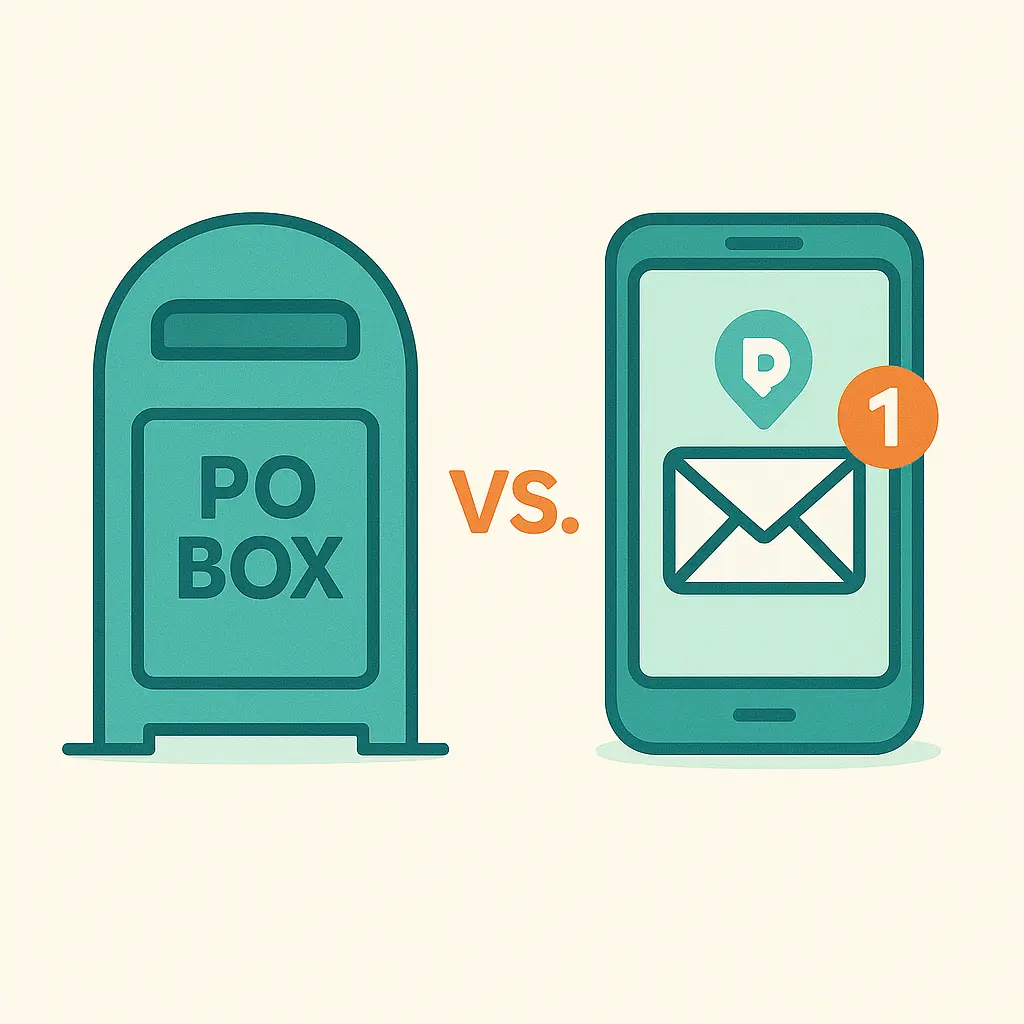
In most countries a TDPB address is a real street address, the same kind of postal address you would use anywhere else. Dubai is the exception. There it is a PO Box with a building-level location reference, because the UAE does not deliver letters to homes.
Types of address, and what each one permits
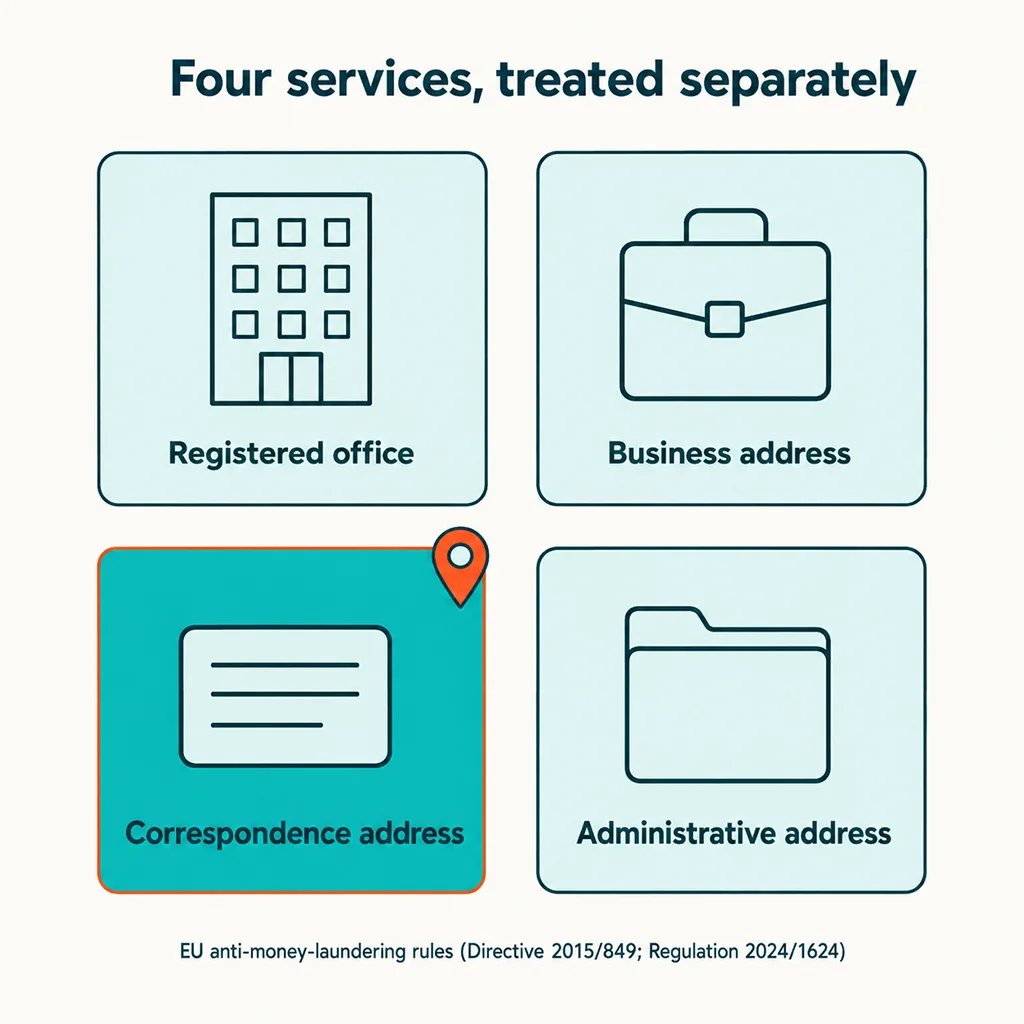
“Virtual address” is a marketing term, not a legal one, and European law does not recognise it as a category. EU anti-money-laundering legislation treats a registered office, a business address, a correspondence address, and an administrative address as four separate services. What decides whether an address suits you is what you are allowed to use it for.
| Type of address | What it is for | Can it be a company’s registered office? | Handles parcels? | How you get your post |
|---|---|---|---|---|
| Correspondence address | Letters and official post; staying reachable at one stable address | No | No | Online, wherever you are |
| Registered office or domiciliation service | A company’s legal seat, shown on the public company register | Yes, that is its purpose | Varies by provider | Varies by provider |
| Parcel-forwarding address | Receiving packages and reshipping them to you | No | Yes | Items are shipped on to you |
| Virtual office | A business address plus meeting rooms or desk access | Sometimes, depending on the provider and the country | Varies by provider | In person or online |
| Traditional PO Box | A locked box you collect your post from yourself | No. UK rules exclude PO Boxes and similar services | Small items, sometimes | You collect it in person, during opening hours |
One thing holds for every row: none of these is proof of where you live. On that last row, see what a PO Box is and how it compares to a virtual mailbox.
What you cannot use the address for
A correspondence address, including ours, is not a substitute for a legal or residential address. Three uses are firmly out:
- Company formation and registered office. You cannot incorporate a company at a TDPB address or list it as your legal seat. That is a different product, with heavier obligations attached.
- Tax registration. A correspondence address is not a fiscal address.
- Proof of residency. Residency registration is tied to somewhere you actually live. German law defines a dwelling as an enclosed space used for living or sleeping, so a mail-receiving address does not qualify.
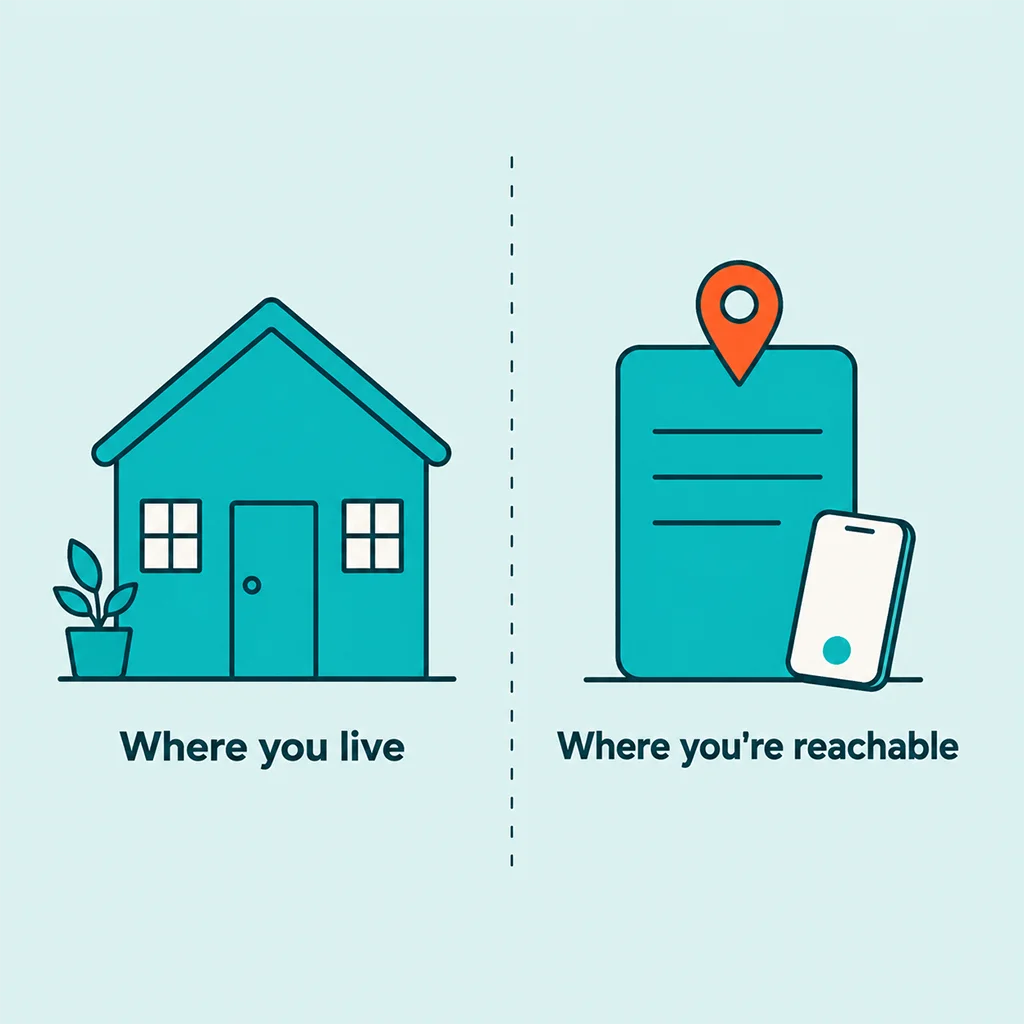
Two more are usually out, though this varies by country and authority. Google’s eligibility guidelines rule out any business whose address is a PO box or a mailbox in a remote location, so a correspondence address is generally a poor fit for a Business Profile. Vehicle registration normally needs a residential address.
Business use also depends on where you are. In the UK, France, and Cyprus, a TDPB address is available for business use to freelancers and sole traders, not to registered companies. Our using your address page sets out what the address does and does not cover; ask us about anything specific to your market before you commit.
Who needs a virtual address
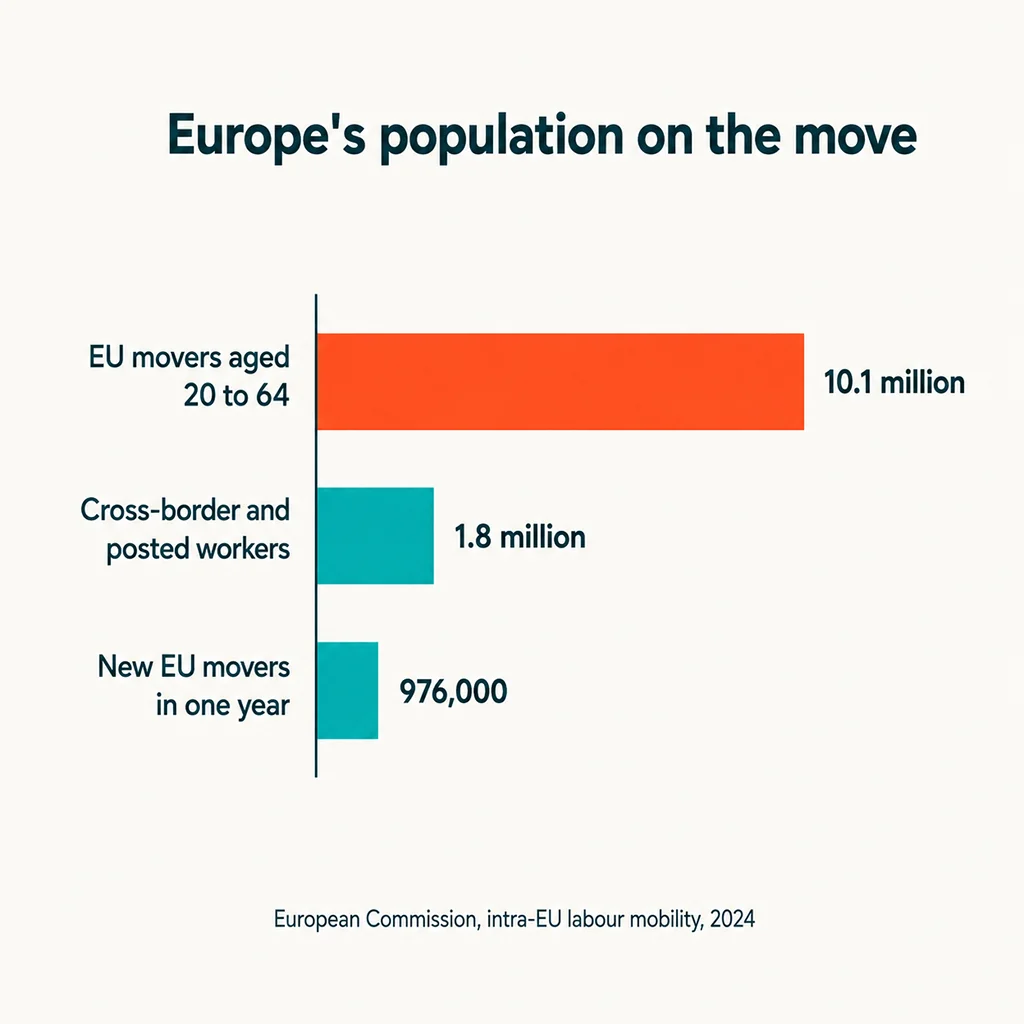
The people who get the most out of one share a problem: their life does not sit neatly at one fixed address. Remote workers and digital nomads who move every few months. Expats and cross-border professionals who need banks and insurers to hold one consistent address. Second-home owners away from a property for half the year. Freelancers who would rather not print a home address on every invoice. Traders on online marketplaces have a different reason: they need a public contact address, which we cover in our piece on the EU trader address requirement.
Some people are better served elsewhere, and it saves time to say so. If you need a registered office to incorporate a company, a tax or residency address, a US address, or somewhere to receive parcels, this is the wrong product. We do not offer any of those.
What to look for in a provider
Once you know which type of address you need, three things are worth checking:
- Permitted use, written down. A provider that stays vague about this is leaving the risk with you.
- How many people share the address. Banks and authorities recognise the pattern of a mail centre with thousands of customers behind one door, and they look harder at post going there.

- What is bundled into the price. If mail handling is baked into the monthly fee, you pay for scanning whether or not anything arrives.
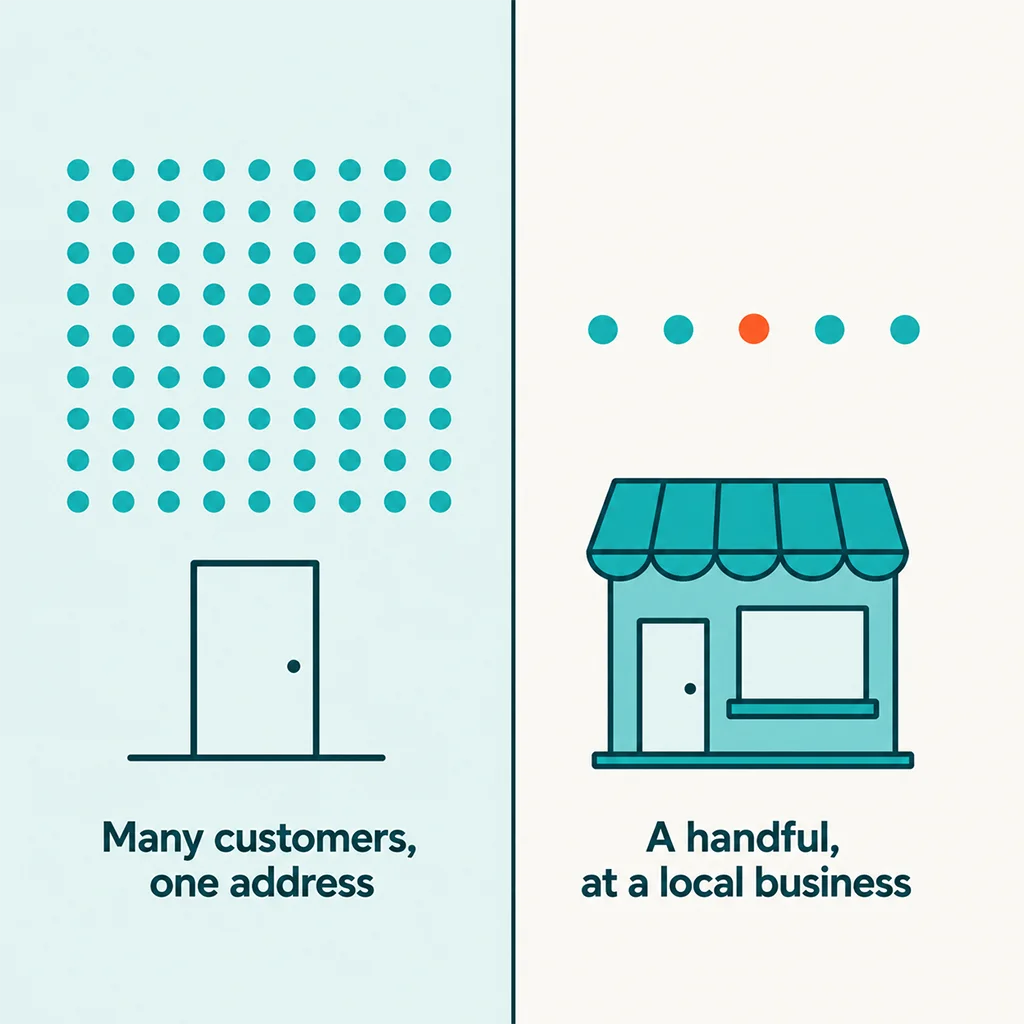
Our own model answers all three. Every TDPB address sits at an independent local business: a copy shop, a coworking space, a real-estate or service office, where handling post is one part of the business, not the reason the location exists. Each address serves a limited number of customers.
Our platform is voluntarily certified to ISO 27001 and ISO 27701, and most providers in this category hold no security or privacy certification at all. The setup is designed to avoid the patterns banks and authorities most often flag, though acceptance is always the institution’s decision. An address costs from € 7,50 per month (billed yearly), or € 15 per month for more flexibility, with mail handling charged separately.
See our trusted Partner network for how that works in practice, and the location selector page for where we are live.
One address that stays with you, wherever you go
Set up your address in minutes and use it everywhere.