



Table of contents
Latest articles

Virtual Mailbox for Your Second Home: How to Choose
Posted on November 24, 2026

Should You Use Your Home Address for Your Business?
Posted on November 24, 2026

Virtual Address vs Mail Scanning Service: Which Do You Need?
Posted on November 12, 2026

How to Choose a Virtual Address in Europe (2026)
Posted on October 27, 2026

Do Freelancers Actually Need a Business Address?
Posted on October 12, 2026

Best Digital Address Services in Europe (2026)
Posted on August 18, 2026

What is a virtual address and how does it work
Posted on August 18, 2026
Is a Digital Address Secure? Our ISO Certification, Explained
Posted on August 17, 2026

EU Digital Services Act
Posted on July 13, 2026

PO Box Alternatives in Dubai for Expats (2026)
Posted on March 3, 2026
How to Choose the Right Virtual Mailbox for Your Second Home
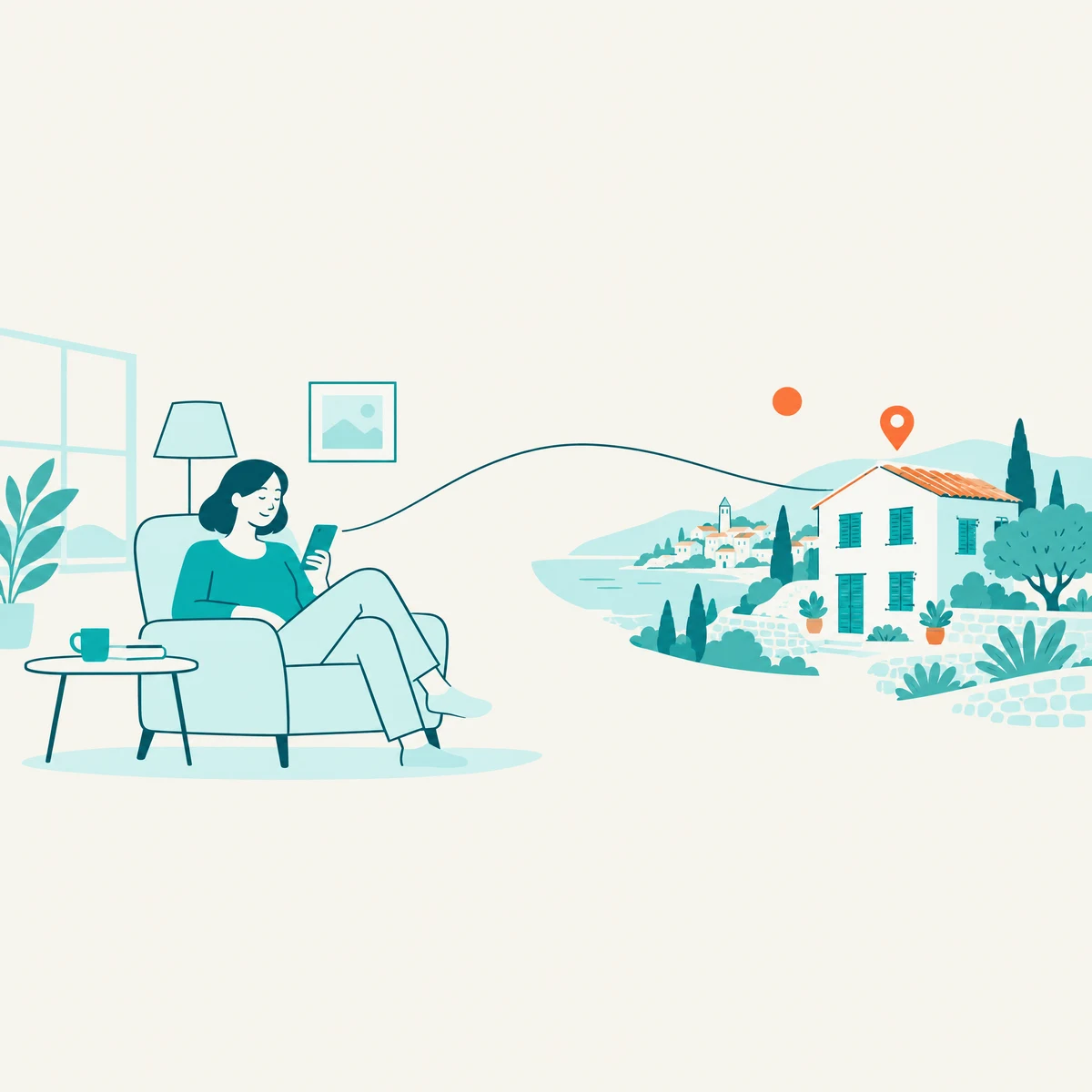
You own a second home in another country, and for weeks or months at a time you're at your other one. The post keeps arriving anyway: a statement from your bank, a bill from the electricity company, a renewal notice from the house insurer, a notice from the municipality or a government agency. It waits in the letterbox until you're back, or until someone you trust goes to look.
What kind of virtual mailbox works best for a second home?
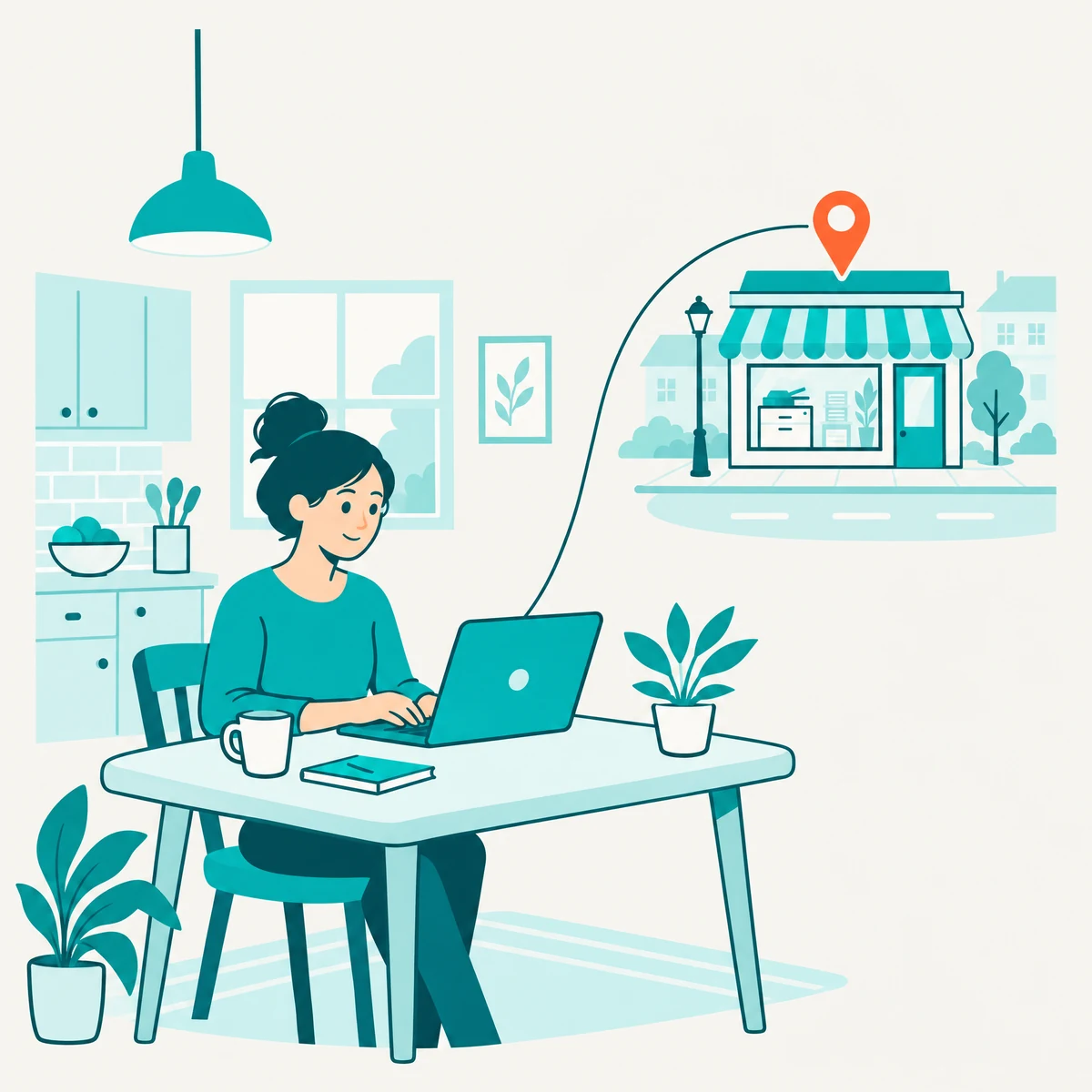
For most second-home owners, the best choice is a real street address at a local business near the second home. You give that address to your bank, your insurer and the utility company instead of the house, so their letters no longer wait in an empty letterbox. With a good address service, you're notified when something arrives and can read a scan of it online, wherever you are.
That's the kind of address we offer at The Digital PO Box. Each address is hosted by a local Partner: an established business such as a copy shop, a coworking space or a real-estate office. As of November 2026, we have Partner locations in 12 European countries: Spain, Germany, Portugal, Belgium, France, the Netherlands, Switzerland, Ireland, the UK, Cyprus, Montenegro and North Macedonia. We bring 15+ years of experience managing reliable address and mail infrastructure.
What to look for in a virtual mailbox for your second home
Check these six things before you choose.
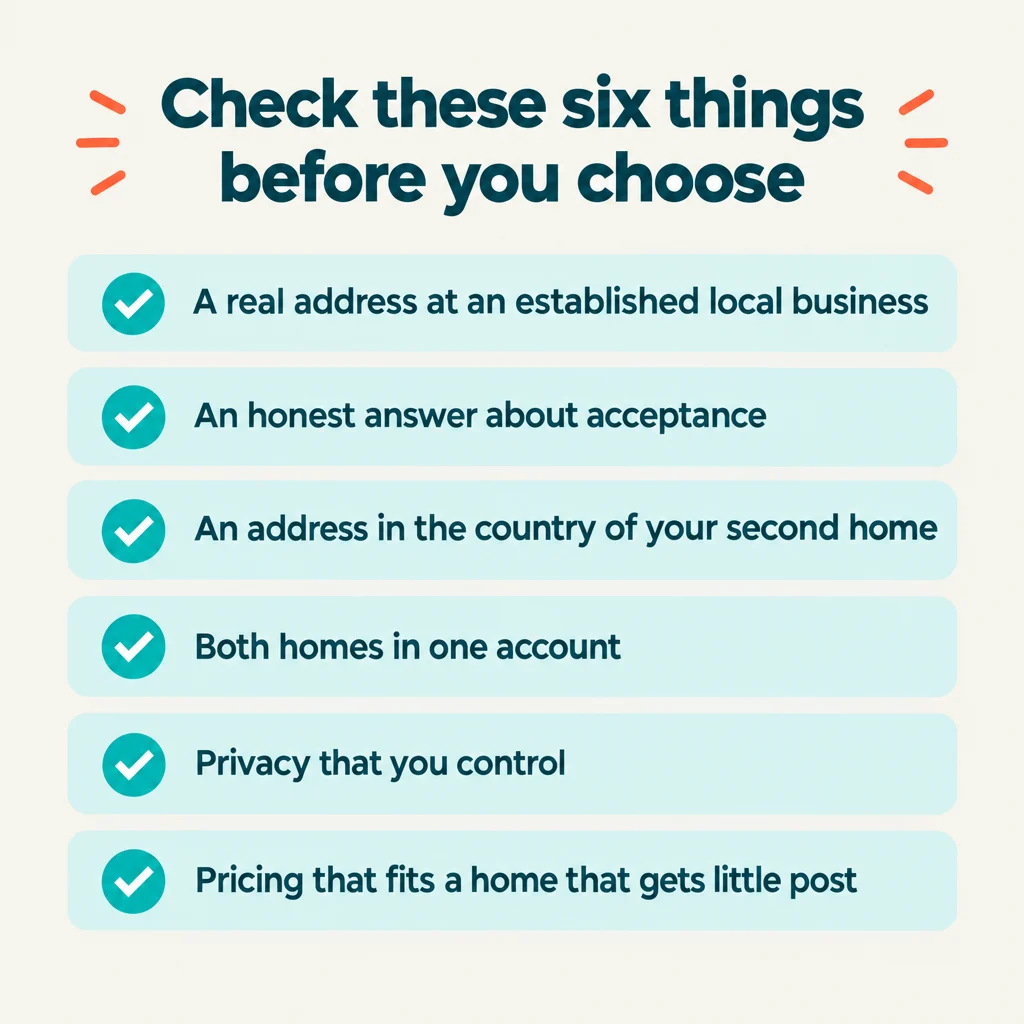
A real address at an established local business
Choose an address at an established local business that does its own work at that address. Ideally, that business receives post for only a limited number of people.
Many virtual mailbox services run from large mail centres, where one address is shared by many customers. Some banks treat addresses like that as commercial rather than personal (why that happens).
We deliberately keep each of our Partner addresses to a limited number of customers, so it doesn't look like a shared mail-centre address, which is the pattern banks most often flag.
An honest answer about acceptance
No provider can promise that every bank, insurer or authority will accept its address. Acceptance is decided by the institution, based on its own policies, the country and your situation.
An address in the country of your second home
Choose an address in the same country as your second home, and ideally near it. The insurer, the electricity supplier and the other companies you deal with about the house are usually local, so with an address in the same country their post doesn't have to go abroad.
Both homes in one account
If you'd like an address for your other home too, look for a service that keeps both in one account, so post for either home shows up in the same place online.
Privacy that you control
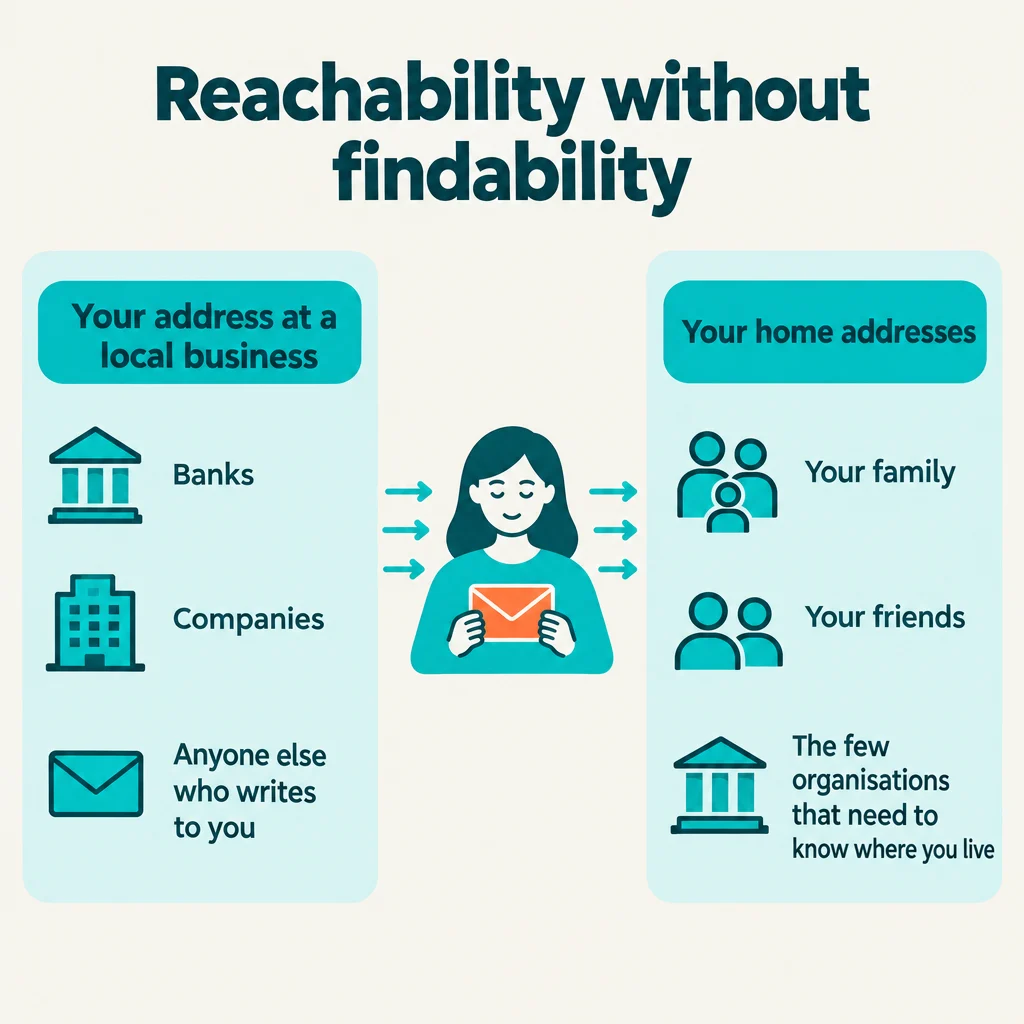
Most people have more than one phone number and more than one email address, and nobody finds that strange. Postal addresses are different: almost everyone gives out the address where they sleep. As a second-home owner, you end up giving out two home addresses, one for each house.
An address at a local business works like a second email address. You give it to banks, companies and anyone else who writes to you, and your home addresses stay with your family, your friends and the few organisations that need to know where you live. That's reachability without findability: people can reach you by post without knowing where you live.
A separate address also keeps you reachable while you're away. Most letters can wait until your next visit, but now and then one can't, such as a notice you have to answer by a certain date. La Poste makes the same point on its page for second-home owners: some letters need a quick reply. If that letter goes to your address at a local business, you get a notification when it arrives, rather than finding it in the letterbox weeks later.
Ask how the service protects your post as well, since it handles your bank statements and other personal documents. Look for independent certification such as ISO 27001 for information security and ISO 27701 for privacy, which shows that your data and privacy are protected to recognised international standards.
Pricing that fits a home that gets little post
A second home may only receive a few letters a year. Look for pricing that separates the address from the handling of post, so you pay for the address and pay for scanning or forwarding only when you use it. A plan with a large scanning allowance built in charges you for scans you won't use.
Neighbour, post office or virtual mailbox: how the options compare
Second-home owners have five main options. This is how they compare when you're away for long stretches.
| Option | Address on your records | How long it covers an absence | Registered letters | Both homes in one place | What you pay |
|---|---|---|---|---|---|
| Neighbour, caretaker or property manager | Your second home | As long as they're around and willing | Only if they can collect them for you | No | Often nothing, or the manager's fee |
| National post: hold service | Your second home | Up to 1 month (Deutsche Post), to the end of the following month (CTT), up to 2 months (La Poste) | Sent back to the sender after a short time, even with a hold: 6 working days at CTT, 15 days at La Poste | No | From €15.90 for up to a month (Deutsche Post), €11.75 a month plus VAT (CTT), €35 (La Poste) |
| National post: forwarding | Your second home, with post sent on to you | Up to 6 months (Deutsche Post), 15 days to 12 months abroad (La Poste), and 1, 2 or 6 months (Correos) | Not mentioned separately for forwarding abroad (La Poste) | No, post moves from one home to the other | From €31.90 for 6 months (Deutsche Post), €60 to €218 abroad (La Poste) |
| Virtual mailbox at a shared mail centre | A commercial address, often shared by many customers | As long as you subscribe | Depends on the provider | Only if it has locations in both countries | Varies; check whether scanning is bundled in |
| The Digital PO Box | A real street address at a local Partner business | As long as you subscribe | If one arrives on a Tuesday afternoon, you typically know about it by Wednesday | Yes, if we have a location in both countries | € 90 a year per address; scanning and forwarding separate |
Figures for the national post services come from La Poste, Deutsche Post, CTT and Correos, checked in November 2026.
A neighbour, caretaker or property manager
Some neighbours are reluctant to handle official letters. And because your bank and insurer keep writing to the house, everything depends on that one person checking the letterbox while you're away.
The national post's hold service
Deutsche Post's hold service, the Lagerservice, keeps your post for up to a month. The only registered letters it keeps are the ones that go straight into the letterbox (Einschreiben Einwurf). A registered letter you'd normally sign for isn't covered.
The national post's forwarding service
La Poste's forwarding abroad covers post up to 2 kg, such as letters, catalogues and magazines. It doesn't forward parcels or anything sent by Chronopost or other carriers, so those stay behind at the house. Correos presents its reenvío postal as a service for people who change address. Its page doesn't mention second homes, so check that it works for someone who is away for part of every year before you rely on it.
A virtual mailbox at a shared mail centre
Check where the address is, how many customers share it, and whether the price includes scanning you may not need.
What happens to a registered letter if nobody is home?
A registered letter that can't be delivered waits at the post office for a limited time. How long depends on the country:
| Country | How long the post office keeps it | What happens after |
|---|---|---|
| France | 15 calendar days, counted from the day after the notice is left (La Poste) | Returned to the sender |
| Germany | 7 working days, for items Deutsche Post has taken to a branch for you to collect (Deutsche Post) | Returned to the sender |
| Spain | 15 days to collect a certified letter after the notice (Correos) | Not stated on Correos' page |
If you're away for longer than that, the letter can go back to the sender before you know it was sent, and you may miss any deadline it gave you. A paid hold service doesn't change this. La Poste's garde du courrier also keeps registered letters for 15 days at most, and in Portugal, CTT's hold service sends registered mail back to the sender after 6 working days.
Our guide on receiving mail in Spain as a non-resident covers the Spanish side in more detail.
What can you use a second-home address for?
country. Ours are correspondence addresses: you can use them for letters and documents from your bank, your insurer, the utility companies and your subscriptions, and for personal post, such as a card from a friend or family member.
A correspondence address isn't where you live, so it can't be your official home address for tax purposes or proof that you live somewhere. What else you can do with an address depends on the country, and our Using your address page explains how the rules differ.
What does an address for a second home cost?
With us, you pay per address. The annual plan costs € 90 a year, which works out to € 7,50 a month. It's the plan we recommend if you intend to keep the address long term. If you'd rather pay monthly, it's € 15 a month. There are no setup fees, and you can cancel anytime.
Scanning and forwarding your post are paid for separately, and you choose how:
- Pay per scan: buy scan credits and use one for each letter we scan. Credits stay valid for 12 months, as long as your subscription is active. You can use them for any of your addresses.
- Unlimited scanning: a fixed monthly price per address, for an address that receives post regularly.
- Forwarding: charged per shipment, based on the weight of the item and the destination.
All prices are ex VAT. The full breakdown is on our rates page.
Is The Digital PO Box right for your second home?
We're a good fit if your second home is in a country where we have a location and you want an address there that you manage online. We currently have our strongest presence in Western European countries (as of November 2026), but we're also actively expanding into Southern and Eastern Europe. Every address is hosted by a vetted local business in our Partner network. Our company and platform hold both of the ISO certifications that protect your data and privacy (our privacy and security standards).
If you'd like an address for your main home too, it can sit in the same account, as long as we have a location in that country. Every account has its own TDPB number, an eight-digit number that is part of each of your addresses. It links all your locations, so post for either home arrives in the same place online.
There are limits you should know about:
- The network is still growing. If there isn't a location near your second home yet, please let us know which city you'd like one in, so we can include it in our Partner recruitment programme.
- We handle letters and documents, not parcels. If parcels also arrive at your second home, pair your address with a dedicated parcel-forwarding service. Companies built around parcels are rarely set up to handle letters well, and services built around letters aren't set up for parcels, so two services work better than one doing both.
- We have no locations in the US.
Best for: second-home owners in any of the countries where we have locations, who are away for weeks or months at a time and want the address for each home in one account. Our guide on managing post from your second home shows how it works in that situation.
How do you set up an address for your second home?
1. Choose a location near your second home on our locations page.
2. Sign up online. We verify your email and your identity before the address is activated, and you never need to visit the location.
3. Give the new address to your bank, your insurer and anyone else who writes to you.
4. When a letter arrives, the local Partner scans the front of the envelope, usually within 24 hours of delivery, and you get a notification.
5. You choose what happens to the letter:
- Scan and destroy: the contents are scanned for you to read online, and the paper original is shredded after 14 days.
- Scan and forward: the contents are scanned, and the paper original is posted on to you.
- Forward unopened: the envelope stays sealed and is posted on to you.
Advertising mail is discarded by default.
Stay reachable at your second home
Once you've decided a separate address is right for your second home, three things are worth checking in any provider:
- Permitted use, written down. Your bank, your insurer and the local authorities will all write to this address about the house, so you need to know exactly what it may be used for. A provider that stays vague about this is leaving the risk with you.
- How many people share the address. Banks and authorities recognise the pattern of a mail centre with thousands of customers behind one door, and they look harder at post going there.
- What is bundled into the price. If mail handling is baked into the monthly fee, you pay for scanning whether or not anything arrives.
Our own model answers all three. Every TDPB address sits at an independent local business, where handling post is one part of the business, not the reason the location exists. Each address serves a limited number of customers.
Our platform is voluntarily certified to ISO 27001 and ISO 27701. The setup is designed to avoid the patterns banks and authorities most often flag, though acceptance is always the institution's decision. An address costs from € 7,50 per month (billed yearly), or € 15 per month for more flexibility, with mail handling charged separately.
See our trusted Partner network for how that works in practice, and the location selector page for where we are live.
Try it and see how it feels to stay private and reachable
You don’t need to give up your personal space to stay connected. Full control from your phone or laptop.
A few common questions
You can add or remove locations at any time, and each active address is billed separately. If you sell your second home or buy one somewhere else, your TDPB number stays the same and only the locations linked to it change.
Renting out your second home doesn't affect the address. Your post goes to your address at a local Partner, not to the house, so it doesn't sit in a letterbox that guests or the letting agency can open.
Unlike forwarding, you don’t have to wait days or weeks. You mail will be scanned and you immediately receive a push notification as soon as it arrives. If needed, you can also have the original paper mail forwarded.


